
Occupational Therapy for Kids in Dallas, TX


Helping Your Child Reach Their Potential
Our Approach
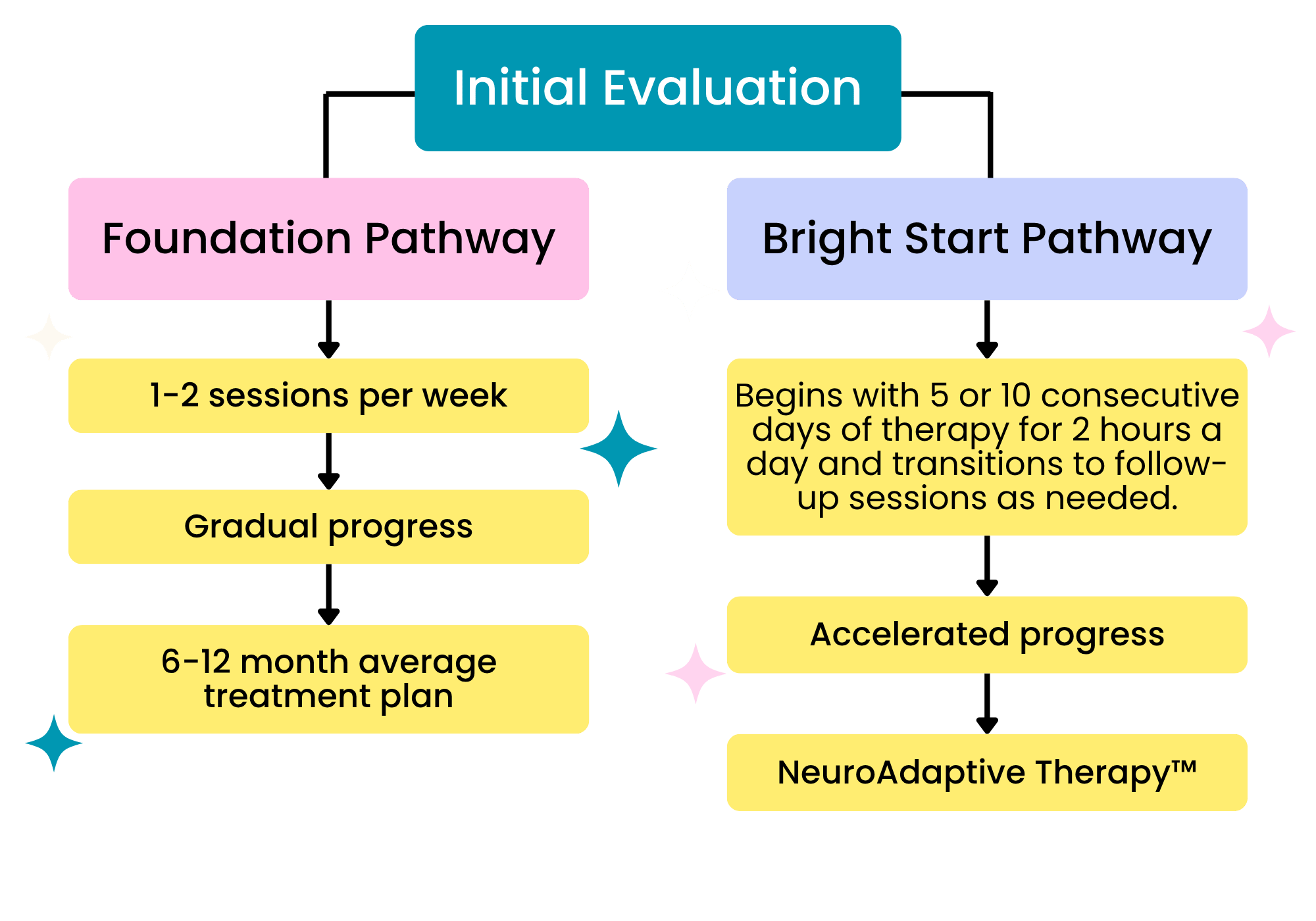
At Bright Beginnings OT & Wellness, we approach occupational therapy from two pathways.
The Foundations Pathway: This is your traditional pediatric occupational therapy where we meet for 1-2 sessions a week, providing consistent therapy at a pace that allows your child to build skills gradually. In addition to our clinic location, we also include home- and school-based programming to help you continue making progress between sessions and in everyday life.
The Bright Start Pathway: This is an intensive occupational therapy program that uses NeuroAdaptive Therapy™, a brain-focused approach that helps kids make meaningful gains quickly. Click here to learn more.

Your Child's First Step
Occupational Therapy Evaluation
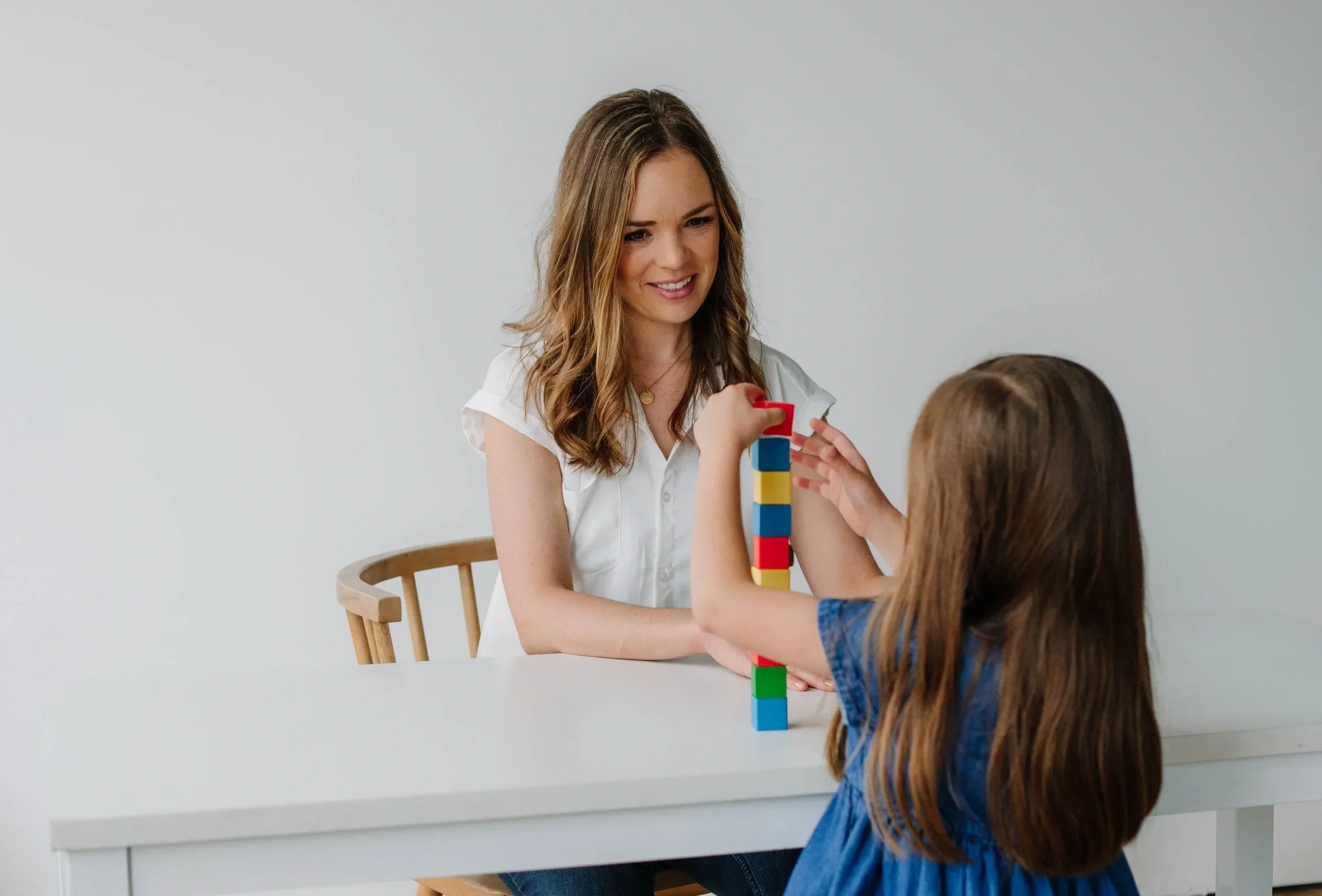
Every therapy journey starts with an evaluation. Before your appointment, you'll fill out intake paperwork and online assessments so we can get to know your child's medical and developmental history.
During the evaluation, we take a close look at your child's primitive reflexes, motor development, sensory processing, and self-help skills. Parents are welcome to stay in the room or wait outside.
Afterward, you will receive a written report covering your child's strengths, areas for growth, and our clinical recommendations. We will then meet for a 60-minute virtual parent conference to review everything, answer your questions, and help you determine the next steps for your child.
Our Specialties
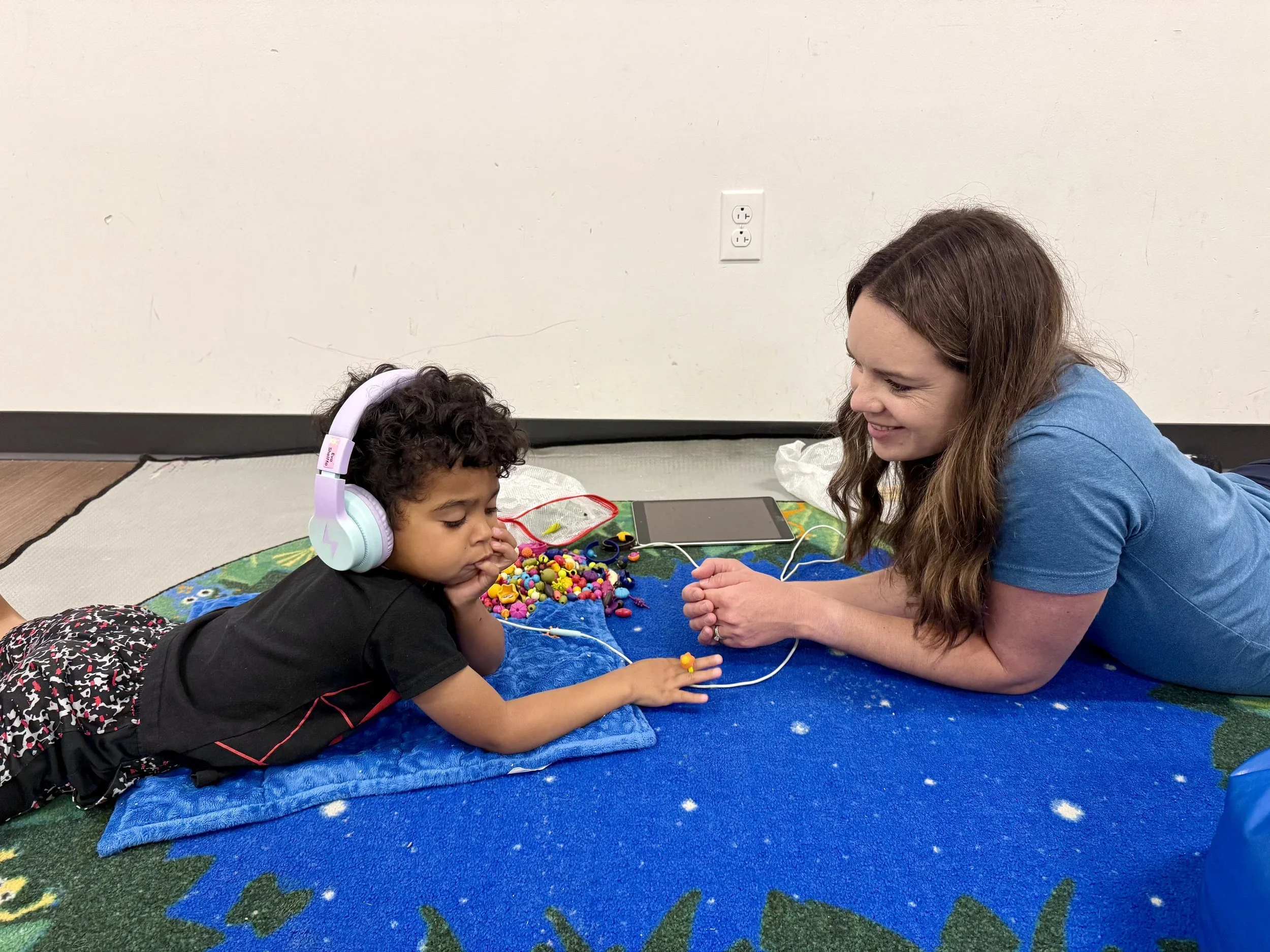
Neurodevelopmental Support
We work with kids who have ADHD, cerebral palsy, autism, PANS/PANDAS, or a history of stroke or brain injury.
Our therapeutic approach is based on your child's unique needs, not just their diagnosis, so our sessions are completely personalized to your child.
Sensory Processing
Some kids feel too much sensory input, while others don't feel enough. When this becomes disruptive to daily life, occupational therapy can help.
Our OTs help your child regulate sensory input, from tolerating clothing textures to expanding the foods they'll eat to settling down when it's time to focus.
Retained Primitive Reflexes
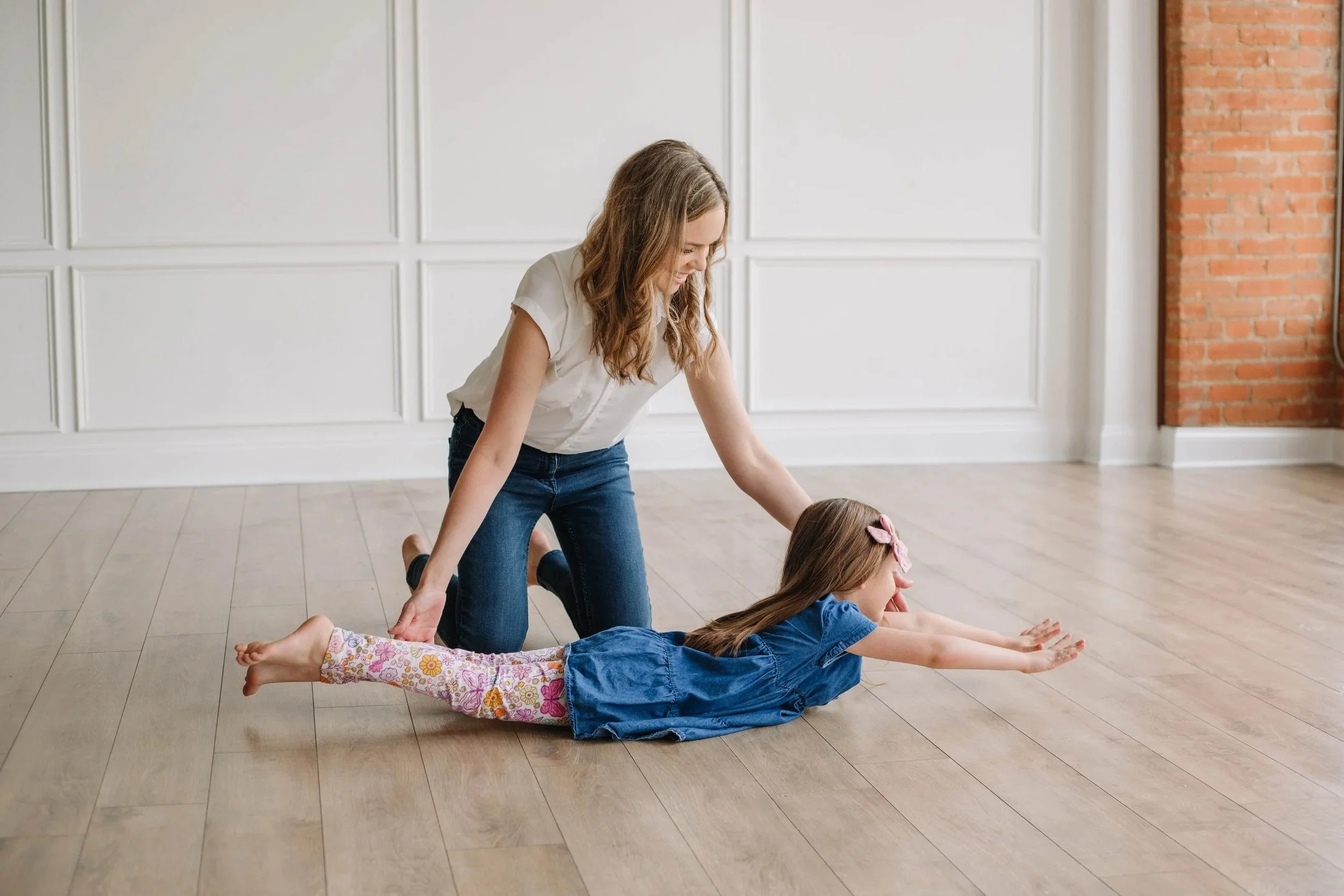
Some reflexes present at birth should fade as your child grows. When they stick around, they can affect coordination, balance, focus, and emotional regulation.
Our occupational therapists use gentle, targeted exercises and therapy to help children integrate these reflexes, supporting smoother movement, improved attention, and overall developmental progress.
Emotional Regulation
If your child struggles with meltdowns, anxiety, depression, or sleep, therapy for emotional regulation can help.
Our occupational therapists will help your child develop skills and strategies to regulate their nervous system, so they can navigate their day with more ease.
Genetic Conditions
We support children with genetic conditions, including Down syndrome, to develop essential self-care, emotional regulation, social, and fine and gross motor skills.
Our goal is to help your child increase their independence and confidence in their everyday lives.
Social Skills
Whether your child struggles to connect with peers or communicate what they need, we help build the skills to navigate social interactions at school, home, and beyond.
We also offer support for speech apraxia and Gestalt Language Processing.
Fine & Gross Motor
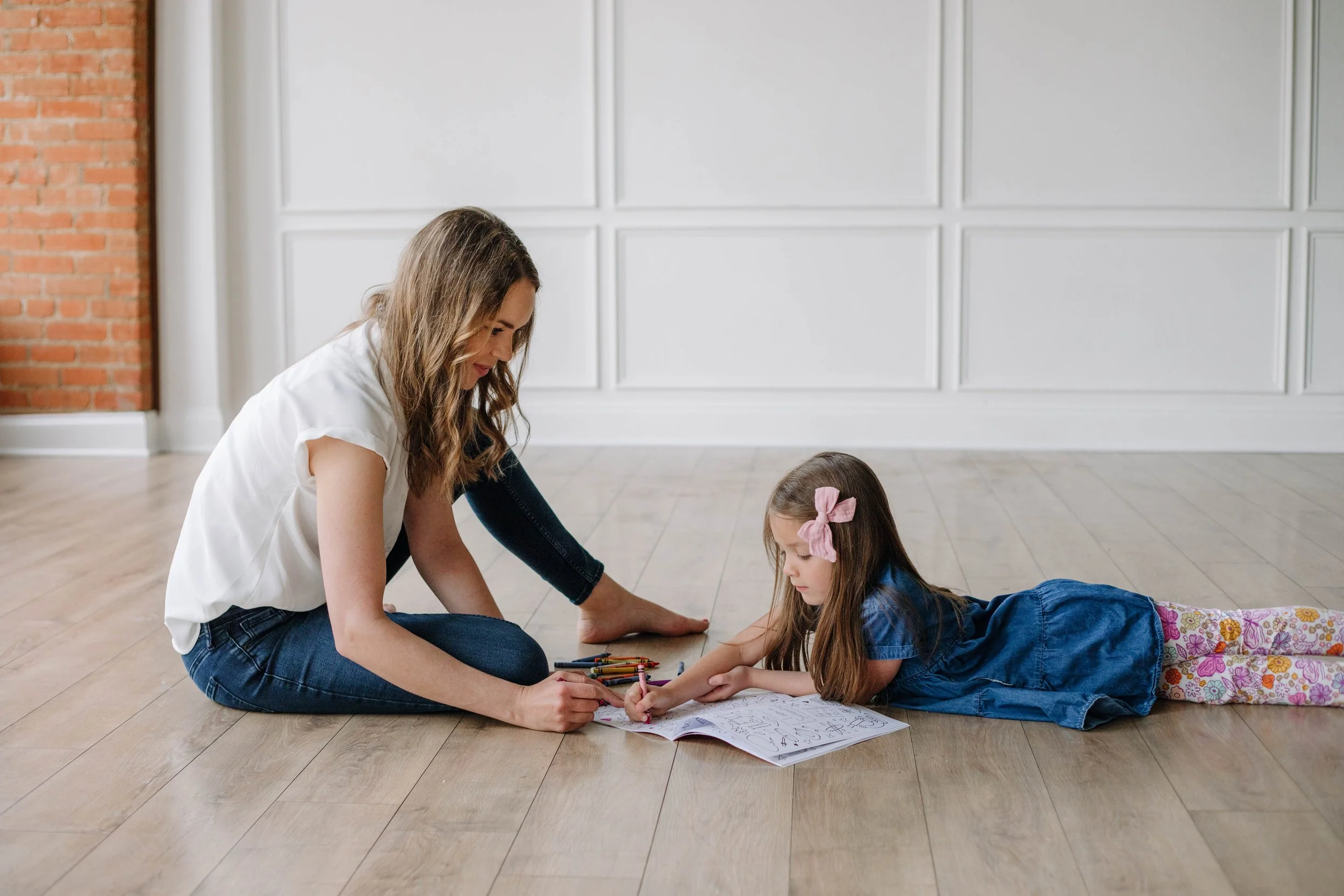
Our hands and bodies work together to help us learn and interact with the world. Our team of occupational therapists supports fine motor skills such as holding a pencil, handwriting, hand-eye coordination, managing buttons and zippers, tying shoes, and using scissors.
We also address gross motor skills to promote your child’s postural control, reflex integration, balance, bilateral coordination, strength, and endurance.

Specialty Programs

Intensive Occupational Therapy Program
Bright Start Pathway
Want to see faster progress in a shorter amount of time? The Bright Start Pathway uses NeuroAdaptive Therapy™, a concentrated, brain-focused approach that helps kids make meaningful gains quickly.
Listening Therapy to Regulate the Nervous System
Safe and Sound Protocol
The Safe and Sound Protocol (SSP) is an evidence-based listening therapy designed to help shift the nervous system from a chronic state of defense to one of social engagement.
Your Occupational Therapy Questions, Answered
-
Every child has off days, but sometimes those moments aren't just a phase. They're a pattern, and patterns are worth paying attention to. Bright Beginnings OT & Wellness helps families figure out which is which. Below are some of the most common signs parents mention right before they book an evaluation.
Big Reactions, Slow Recovery
Meltdowns that seem bigger than the situation calls for
Takes a long time to calm down once upset
Gets overwhelmed by loud sounds, certain textures, tags, or messy hands
Seeks out spinning, crashing, or being squeezed tightly
Seems anxious around transitions or new situations
Movement and Coordination
Clumsy or accident-prone compared to peers
Avoids the playground, or specific equipment on it
Tires quickly during seated schoolwork
Trouble with pencil grip or handwriting that's hard to read
Still struggling with buttons, zippers, or tying shoes past the age most kids pick it up
Attention and Focus
Can't stay seated or focused for age-appropriate tasks
In constant motion, fidgeting, climbing, needing to move
Loses the thread partway through a task
Acts before thinking things through
Everyday Independence
Needs more help than expected with dressing, feeding, or hygiene
Picky eating that seems tied to texture, not taste
Toileting delays with no medical explanation
Social Connection
Trouble reading facial expressions or body language
Prefers to play alone
Struggles with back-and-forth conversation or group play
Notes From School
Teachers mentioning fidgeting, messy handwriting, or trouble following multi-step directions
Difficulty staying seated or transitioning between activities
Poor academic performance despite being intelligent
-
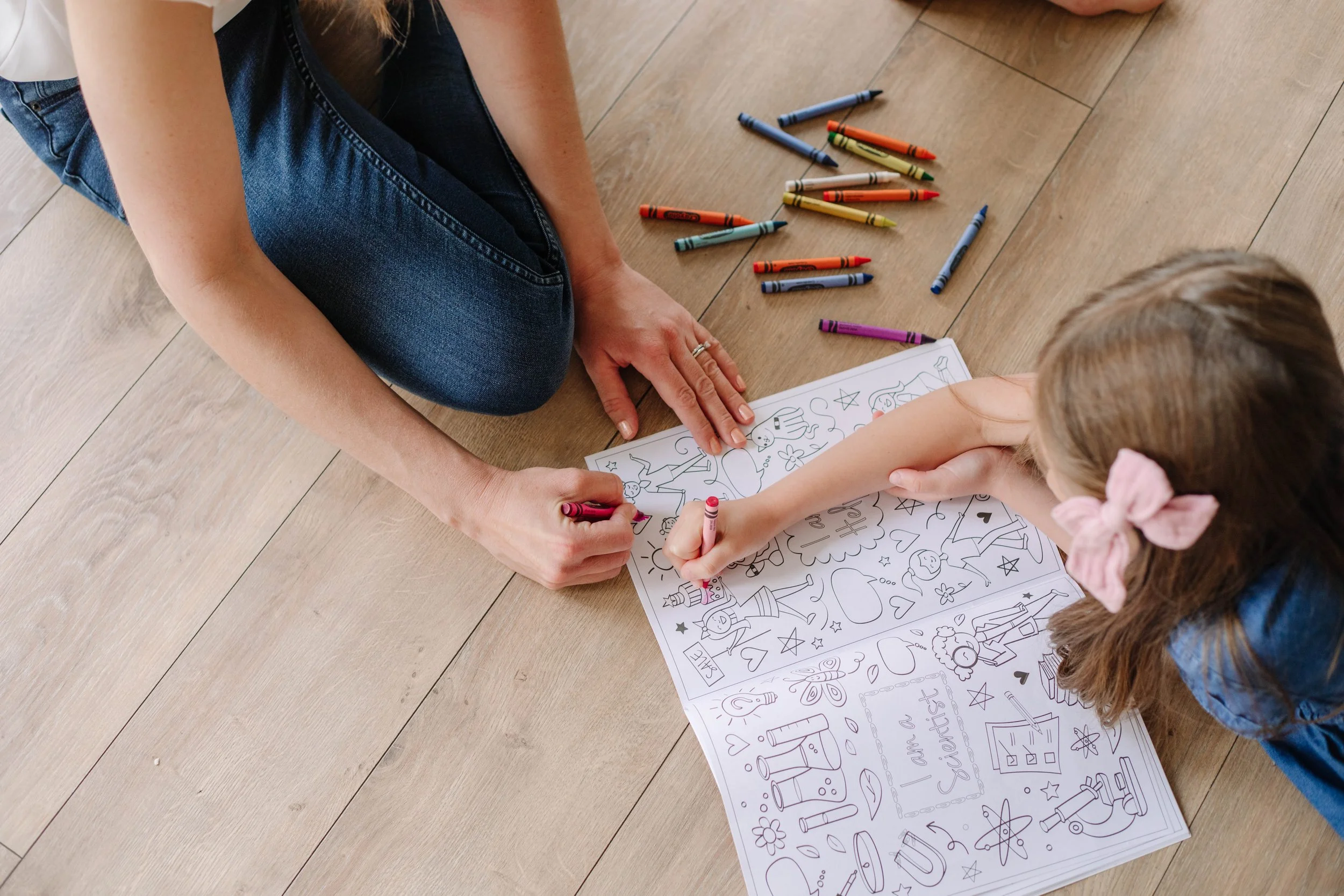
Pediatric occupational therapy sessions are built around your child's interests and incorporate play, movement, games, and skill-based activities.
Our sessions use things your child already enjoys, so therapy is fun and motivating.
-
Yes. We help your child's nervous system move from fight or flight back to a place of calm, safety, and connection. As their nervous system settles, big emotions become easier to manage and meltdowns happen less often.
-
No. We work with kids who have a diagnosis and kids who simply need extra support to catch up with age-appropriate skills.
-
Yes. Occupational therapy helps kids build the postural control, balance, and body awareness they need to move through their day with confidence. Through targeted movement activities, therapy strengthens the coordination kids use for everyday tasks like running, climbing, and staying steady on their feet, so clumsiness becomes less of a daily struggle.